
The Strange Economy of War
Grey BeesThe novel follows how ordinary goods, transport, and official permissions become the improvised currency of life amid conflict.
increasing Bearing strength in each event
 decreasing
Bearing strength in each eventdecreasingTrading to Eat
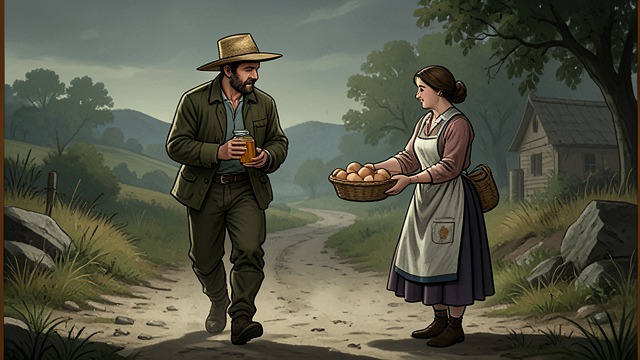
Trading to Eat
Honey replaces cash
Sergeyich walks to Svitle with jars of honey and trades for eggs, meat, and pickles. The journey is risky, but it restores variety to a diet reduced to grains and stored food.
Need makes a market
The exchange depends on trust and personal relationships rather than functioning shops or services. Sergeyich discovers that survival in the grey zone is sustained by informal generosity as much as by supplies.
Vodka at the Mail Van
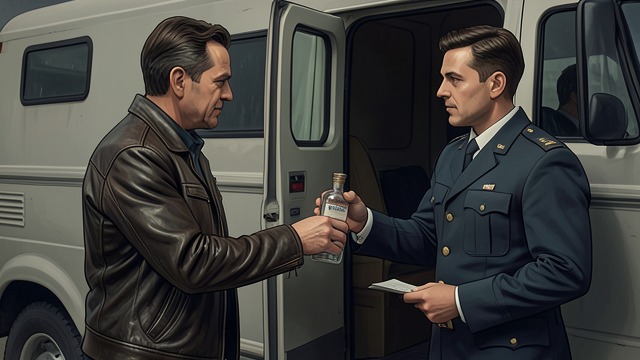
Vodka at the Mail Van
A transaction beside the letters
Pashka buys five bottles of vodka from the postal workers, paying in roubles. The men who arrived wary leave in good spirits after making a quick sale.
Commerce crosses the line
The exchange shows how civilian services and informal trade coexist with the front. Even a mail delivery becomes an opportunity to obtain goods unavailable in the emptied village.
The Cost of Leaving
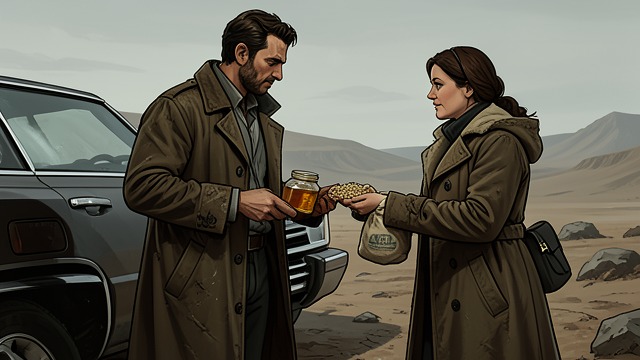
The Cost of Leaving
Supplies secured on the road
Sergeyich trades honey for grains and eggs, using the proceeds from his damaged car to prepare for the return journey. Every purchase reflects his need to carry enough for an isolated household.
Money cannot remove risk
Food and petrol make the journey possible, but checkpoints still control movement and the bees remain vulnerable. The improvised economy sustains life without offering security.
the winter trip to Svitle
during the Postal Ceasefire delivery
the journey from Crimea toward the grey zone
